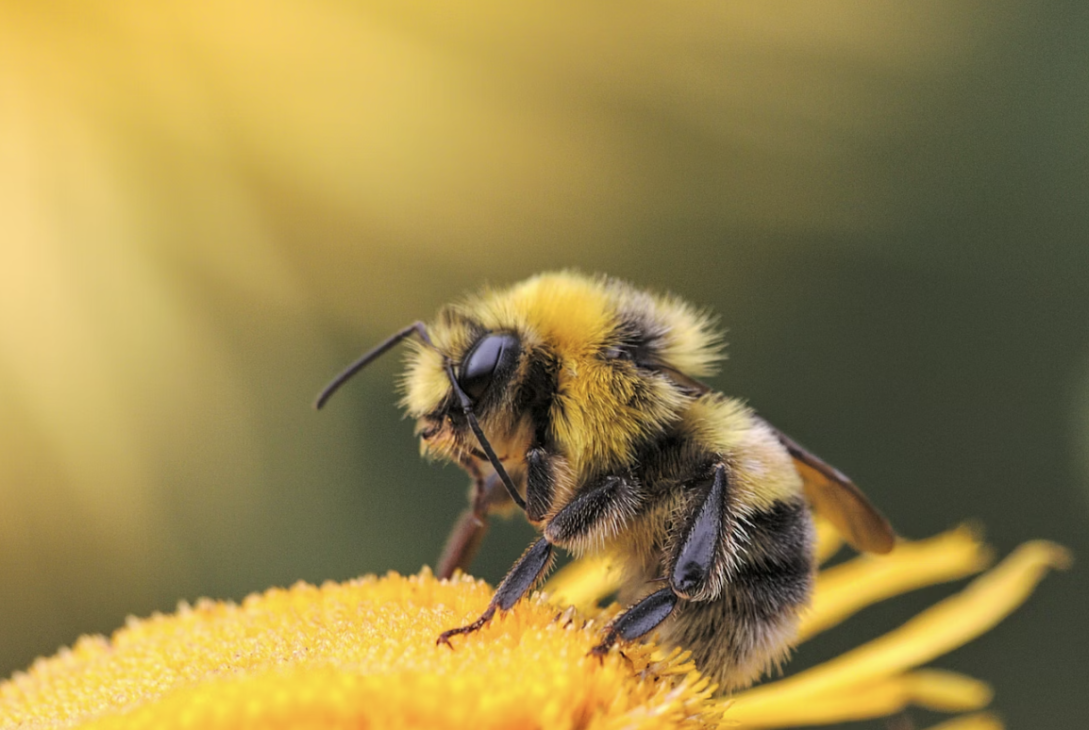
By Dmitry Grigoriev | Unsplash
According to the UN, one in every three bites of food comes to us through the help of bees. Pollination is an essential part of the world’s ecosystem, with 75 percent of crops relying on pollinators to reproduce and grow food. Perhaps the most famous of all pollinators, is the busy bee, working away with a value of $15 billion worth of agricultural work a year in the US alone. However, the bee population faces dire times, with the rise of new pesticides spelling doom for their entire species. What could happen to the bees, and what will this mean for our fragile food supply?
Pollination is when pollen is transferred to allow for fertilisation. The famous honey bee and other species of wild bees account for 71 percent of pollination amongst all the major crops. They have an impact of several hundred billion dollars worldwide, but are not only responsible for simple crop pollination, they cause the growth of fruits, vegetables, nuts and even coffee. The honey and beekeeping industries are ones that both provide food, as well as large amounts of jobs, purely sourced from the work of bees. You see, the effect of bees is huge, but only at the first stage of the enduring effect of our precious bees. If we take into account the number of animals that live off the plants that bees pollinate, and even the predators that live off those animals, the effect of bee pollination is simply incomprehensible.
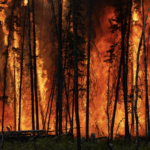
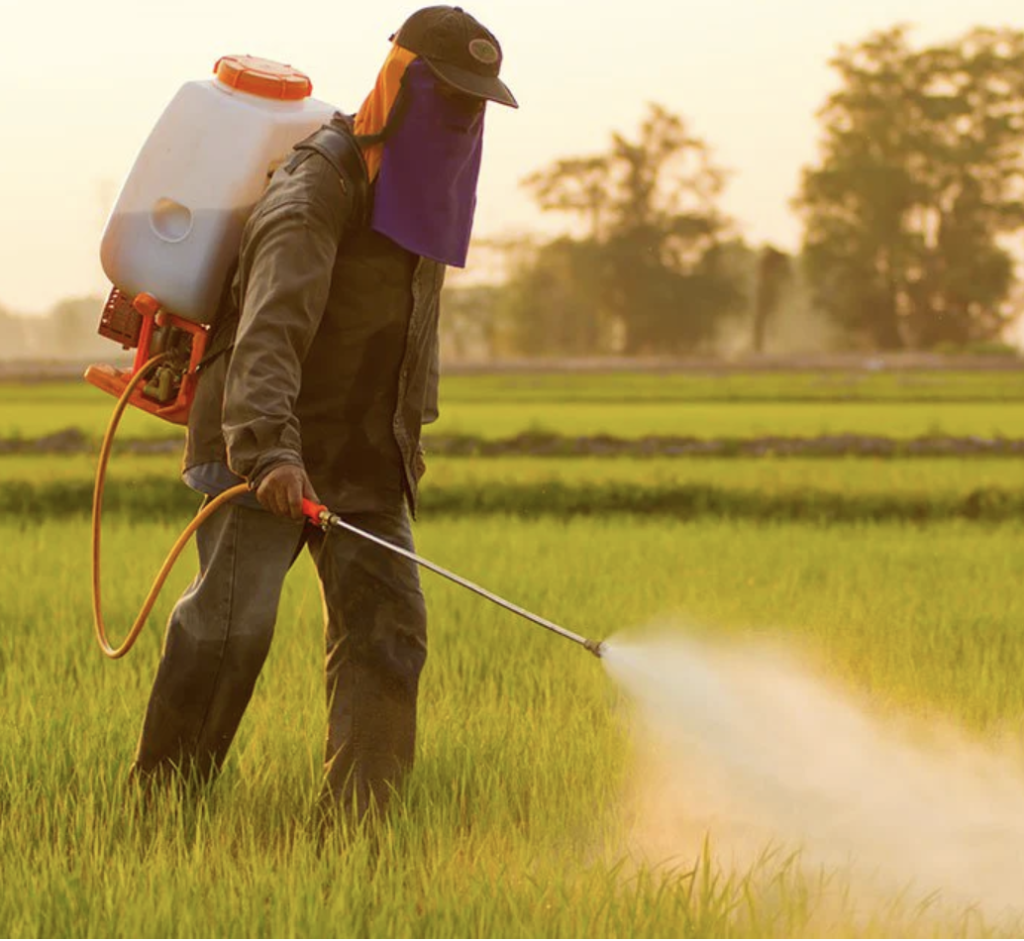
So, what is it that is challenging the bee population? Well, it is a multitude of things really, but most notably the use of damaging, toxic pesticides. These new pesticides are called neonicotinoids and are being used in an excessive and aggressive way. They are modelled off nicotine, and they fully enter the plant, which means they have a wider effect. However, it also means that they have been found to contaminate water and soil for a large area. The effect they have on bees is dramatic ending with paralysis or death, but the scale that these pesticides damage the bee population is unprecedented. Just one corn seed treated with neonicotinoids has enough potential to kill over 80,000 honey bees, and that’s not all. They are beginning to kill aquatic invertebrates and even some birds. As if the chemical warfare being waged on bees wasn’t enough, they are suffering from several other problems. Disrupted weather, loss of habitats and the Varroa mite parasite are all in part responsible for the dramatic decline in bees we are witnessing. Even the air is no longer safe for our bees. Air pollution has been proven to affect the way bees locate their nectar, disrupting the process of pollination.
The decline in bee populations is a dramatic one. The amount of managed bee colonies in America is plummeting, falling by several million over the last few decades, and in 2015, 44 percent of America’s bee colonies were wiped out. Groups like BWARS and the Bumblebee Conservation Trust claim the problem is equally as bad in the UK. Over the last forty years, a third of bee species in the United Kingdom have gone completely extinct. It begs the question why not enough is being done about this problem, as 2024 was recorded to be the worst year for bees yet, with a 23 percent decline from previous years. All around the world, we are risking the survival of nature’s greatest pollinator.
With bee extinction rates up to a thousand times higher due to human impact, we must ask the question: what will happen without bees? Some scientists suggest that a world without bees would be simply unsustainable, especially with a human population of over 8 billion people. However, there is evidence to show that we would survive a serious decline in bee populations. Millions of years ago, around the time of the extinction of dinosaurs, Earth experienced a lesser extinction of many bee populations, perhaps an even great one than we are witnessing today, which forms some hope for us. If bee extinction was to continue though, we would see a knock-on effect in the extinction of many plants and even loss of human life due to worldwide food shortages. The economic and social damage would be incalculable.
So what is the best way forward? How can we prevent this apocalyptic end to the bees species? Well there are organisations working towards this goal, with the European Union upholding a ban on three neonicotinoids, and CFS (Centre for Food Safety) pushing for a law banning even more of these destructive pesticides. Other methods are being explored, such as the introduction of killer bees, that are immune to the effects of the Varroa mite, but the bulk of the work must been done by all of us. We must preserve flower meadows and nectar-bearing plants, as well as the struggling honey industry. If we want to protect our planet, we must first protect our bees.