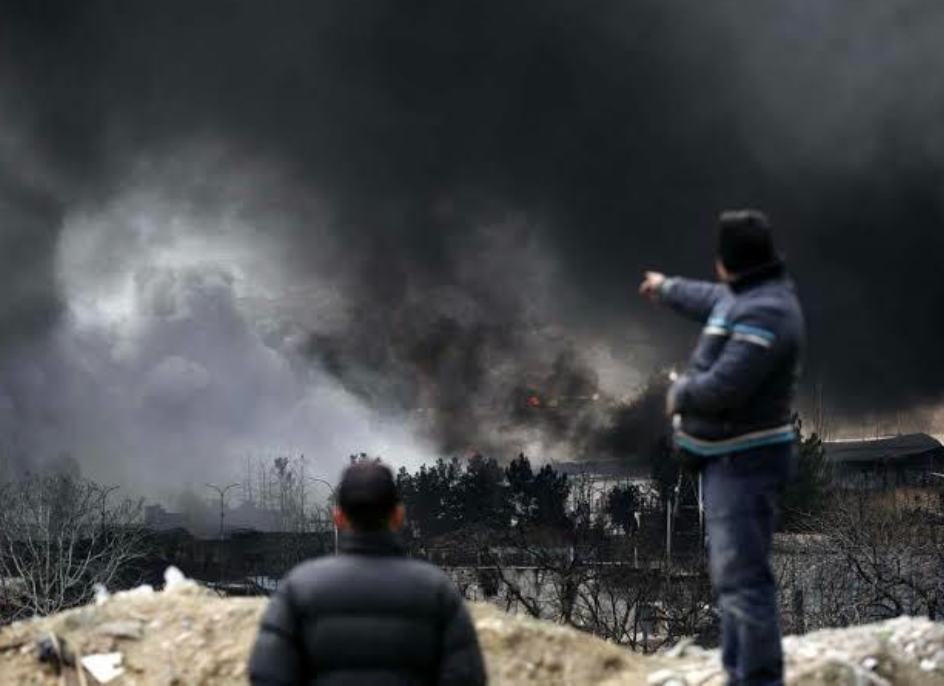
Figure 1: Bahrami Fatemah: black smokes over Tehran: 8 March 2026
On the morning of March 8th, 2026, a blanket of black smoke engulfed Tehran, plunging it into darkness. As the rain clouds rolled in, 10 million people watched in horror as black, acidic rain began falling from the sky. The night before, Israeli strikes hit 4 major oil facilities in and around the capital including the Tehran refinery which processes about 225,000 barrels of oil a day. The impacts that followed were catastrophic.
On March 10 the World Health Organization raised a warning that the black rain was a ‘threat to residents.’ The Iranian authorities immediately advised people to stay indoors but the damage had already been done. Iranians were not only under attack from Israel and America, but from the black rain.
Black rain is the informal term to describe the process of rain turning a dark colour as it falls through heavily polluted air. Water droplets act like a sponge, taking heavy concentrations of atmospheric soot, ash and combustion byproducts out of the air. The reaction often creates sulfuric acid and nitric acid making the rain acidic which can lead to contaminated soil and vegetation and the poisoning of animals and ecosystems.
This unusual chemical phenomenon has drastic health impacts on both humans and animals including the risk of black rain and acidic rain getting into public water systems causing serious health impacts such as inflammatory gastrointestinal problems, and the risk of acid rain. For animals problems such as the food chain collapses, bioaccumulation of toxins and toxic coating (the process of contaminated rain poising fur or feathers) all can be fatal.
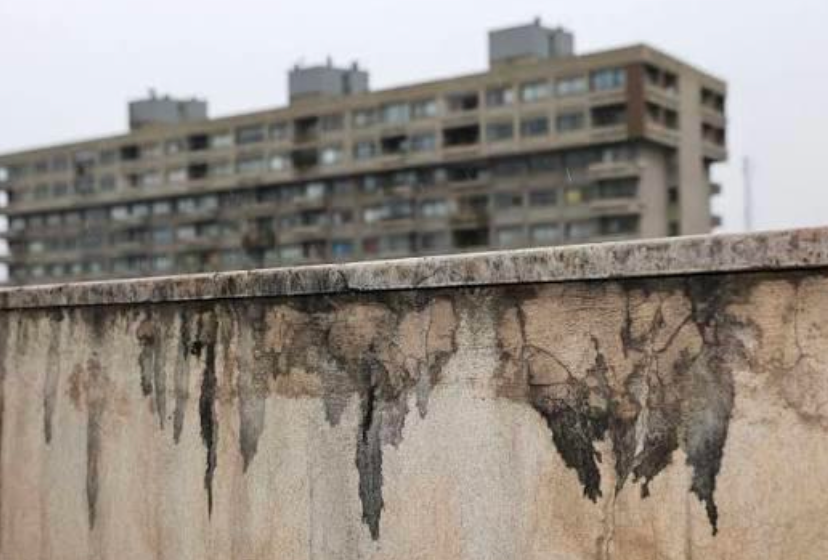
Figure 1: Asgaripour, Majid, black soot after black rain, West Asia News via REUTERS, April 10 2026
Locals complained of their throats aching and their eyes stinging, however perhaps the most worrying was not the black rain but the smoke as simply inhaling large amounts of small particles can cause difficulty breathing and, severe health problems as particles can penetrate deep into the lungs and into the bloodstream.
One of the most long-lasting impacts of black rain is air contamination. Immediately after the fires started hundreds of thousands of tonnes of carbon dioxide, methane and other greenhouse gases were released into the atmosphere. Furthermore, the soot absorbs sunlight and heats the air layer beneath it which then can travel very far with the wind to other regions. Over snow and ice, it darkens the surface and speeds melting contributing to flooding and destruction of habitats. The soot from Tehran travelled up to 300,000 square kilometres far enough to many mountain ranges many including glaciers. Iran’s few glaciers in the Alborz and Zagros mountain ranges are very sensitive to surface darkening as their ice is very thin and the surrounding temperature is already much higher than other mountain ranges such as the alps or the Himalayas. Furthermore, glaciers provide up to 70% of Iran’s fresh water, so the soot poses a huge threat for the welfare of the country.
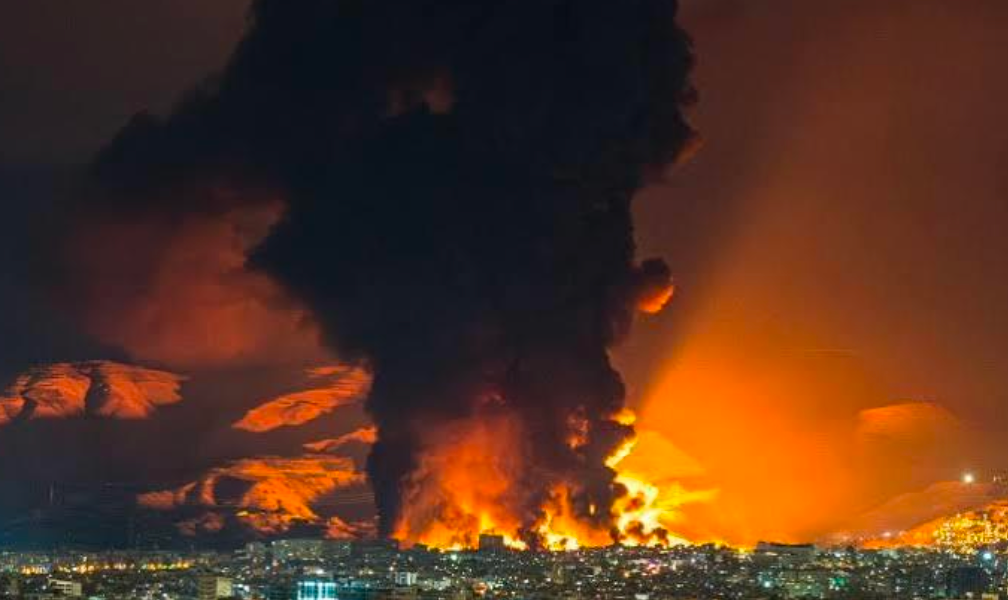
Figure 2: Bloomberg, fire raging over Tehran, South China Morning Post, 15 March 2026
Tehran is particularly vulnerable to black rain as it sits in a semi-enclosed basin with surrounding mountains 2-4km high restricting air flow throughout the city. Tehran also suffers from thermal inversions, a weather pattern where a layer of warm air sits above a layer of cooler air near the ground acting as a solid ‘lid’ trapping cold air and pollution in the city. Tehran already has an incredibly high population density with an average of 10,000 people per square kilometre, which maximizes human exposure to pollution and raindrops making the impact much worse than in many other parts of the world.
Tehran also relies heavily on surrounding surface dams and its ancient underground water systems, due to the drought prone environment, for its fresh water. As of early 2026 the 5 main reservoirs surrounding Tehran have hovered at the low 8-15% mark of capacity. Oily, acidic rain pollutes these already scarce reservoirs and water systems causing not only severe health risks but wider environmental problems such as soil contamination, loss of fertility, from damage to vegetation and biodiversity to long-term accumulation of carcinogenetic substances.
Iran as a country and region has suffered historically from catastrophic droughts, 2026 being the sixth consecutive year of drought. The period from 2021-2025 was recorded as the warmest 5-year stretch since 1981. In that same period, it was recorded that out of Iran’s 31 provinces, 15 received zero rainfall. In March 2025 Tehran’s water chief said rainfall since the start of the water year was the lowest in 57 years and that a day zero (the day when taps run completely dry) within weeks was possible. By autumn 2025 President Pezeshkian warned that the city of 10 million may have to be evacuated if rainfall did not come.
The water situation is made worse by the restrictions of waterflow. Iran has accused Afghanistan’s Pashdan Dam of restricting critical water flow to eastern provinces. This has also been a threat to Iran’s neighbour Iraq which faces similar problems where their Tigris-Euphrates basin is at an all-time low on output.
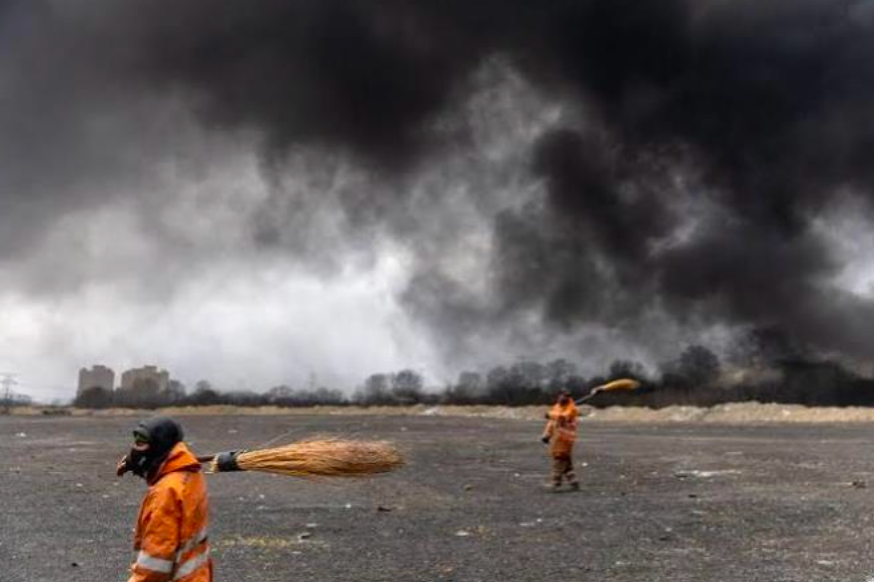
Figure 2: Al Jazeera Staff, workers underneath black rain, Al Jazeera, 9 March 2026
The impact of the war doesn’t stop at the Iranian borders, however, the global response has been muted. America’s new position on climate change has had a knock-on effect on how countries react to environmental crises and the black rain is not receiving the attention is warrants. The black rain in Iran is widely considered a secondary effect of the war and one of less importance than the ongoing strikes and the economic impact of the conflict over the strait of Hormuz. In addition, many western governments and international bodies have hostile relations with Iran making the likelihood of a coordinated resolution to fix the environmental damage unlikely. What many people do not realise is the environmental threat that this war poses to countries and people across the world, from soot rash travelling hundreds of thousands of miles to toxic gases contaminating our water sources.
The rain may have stopped, but what it held has not gone away. According to the Conflict and Environment observatory (CEOBS) the pollutants left on the ground and in the soil could be stirred up again in the future in the form of sand and dust storms. The amount that has been accumulated is unclear and will remain so as the blackout masked any possible observations. The director of CEOBS, Dough Weir, said that there is little accountability for the environmental damage, with damage often being left unaddressed even when the fighting stops. In Kuwait, clean-up is still underway over 30 years after the 1991 oil fires. On March 8 the world saw part of the visible damage. The rest is yet to be measured.
Bibliography
“Black Rain: the Health and Environmental Risks from Tehran’s Oil Fires.” CEOBS, 10 Mar. 2026, ceobs.org/black-rain-the-health-and-environmental-risks-from-tehrans-oil-fires/.
Bruneau, M. “Black rain: Definition, causes and threats.” Earth.Org, 26 Mar. 2026, earth.org/explainer-what-is-black-rain-and-what-threats-does-it-pose-to-people-and-the-planet/.
“Health Impact of the Escalation of Conflict in the Middle East.” World Health Organization (WHO), 5 Mar. 2026, www.who.int/news-room/feature-stories/detail/health-impact-of-the-escalation-of-conflict-in-the-middle-east.
Luhn, Alec. “Why is black rain falling on Iran and how dangerous is it?” new scientist.com, 9 Mar. 2026, www.newscientist.com/article/2518718-why-is-black-rain-falling-on-iran-and-how-dangerous-is-it/.
Sarah Perras – Business Editor. “The Causes and Effects of Black Rain.” Impakter, 1 Apr. 2026, impakter.com/causes-and-effects-of-black-rain/.
“Why Air Strikes on Tehran Oil Facilities Are Causing Black Rain.” BBC News, 10 Mar. 2026, www.bbc.co.uk/news/articles/cqxd1nv3re2o.
“‘Toxic Rain’ Warning from Oil Depot Strikes Amid Ongoing Middle East War.” UN News, 10 Mar. 2026, news.un.org/en/story/2026/03/1167106.
“Just a Moment…” Breaking China, Asia, HK News, Opinions and Insights | South China Morning Post, www.scmp.com/news/world/middle-east/article/3346662/black-rain-iran-wars-toxic-pollution-will-spread-and-last-decades?pgtype=search.